
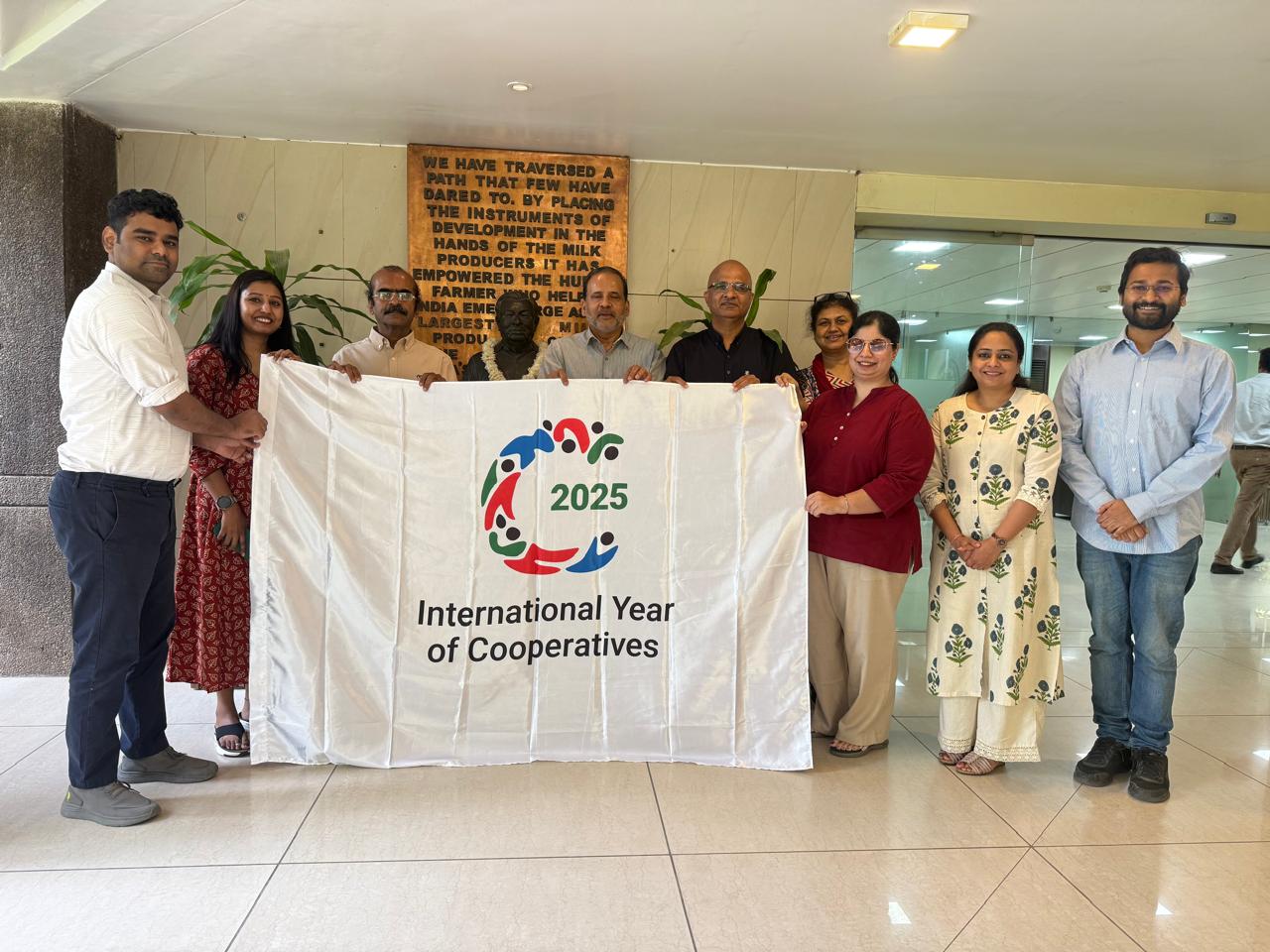
Learning from the Amul Model: ICA-AP Staff Visits Anand
In April, the ICA-AP team visited Anand, Gujarat, for a two-day learning exchange focused on the Amul cooperative model and a dialogue with the faculty of Tribhuvan Sahakari University (TSU), formerly known as the Institute of Rural Management Anand (IRMA).
Amul is a world-renowned dairy brand managed by the Gujarat Cooperative Milk Marketing Federation (GCMMF). It is built on a strong network of over 18,000 village dairy cooperatives in Gujarat, representing around 3.6 million milk producers.
Inside Amul’s Dairy Operations
The visit began at AmulFed Dairy Plant, where the team observed the full processing cycle from the collection of milk to the production of items like milk (in various packaging – pouches and tetra packs), milk powder, ice creams, and the utterly butterly delicious Amul Butter. With a capacity of 60 lakh litres per day, the facility operates with advanced automation and strict quality standards. The ICA-AP team was guided through each stage of the plant tour and learned how food safety is central to Amul’s success.

At the Grassroots: Sandesar Milk Producers Cooperative Society
The team visited Sandesar Milk Producers Cooperative Society, which supports over 1,000 members and collects around 4,000 litres of milk daily. The society, registered in 1952, is a great example of how cooperatives provide services like veterinary care, feed distribution, and consistent financial returns to members.
Exploring Innovation at the Amul Chocolate Factory
A highlight was the visit to Amul’s Chocolate Factory in Mogar, which sources cocoa from CAMPCO (Central Arecanut and Cocoa Marketing and Processing Cooperative), another cooperative in Karnataka, India. The fully automated plant produces a wide range of chocolates, including dark and sugar-free options, and stands as a symbol of product diversification and cooperation among cooperatives.
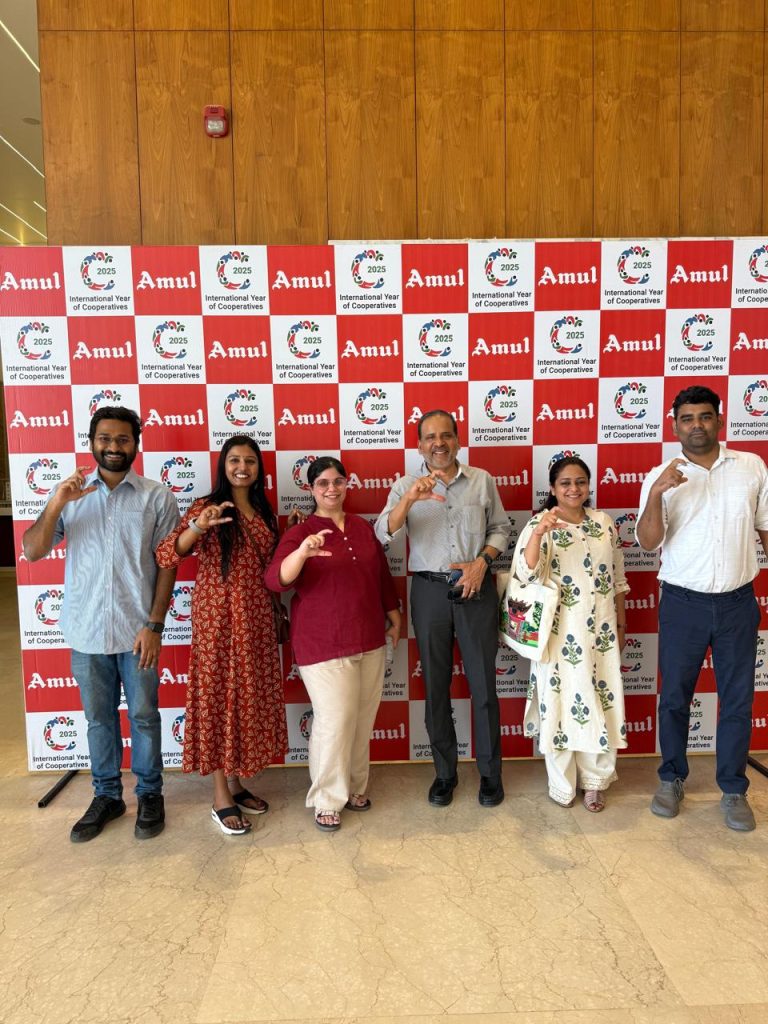
At GCMMF’s headquarters, the ICA-AP team engaged with senior leaders to understand how Amul maintains its dual commitment: fair prices for farmers and value for consumers. The presence of the International Year of Cooperatives 2025 logo across their facilities highlighted Amul’s alignment with the global cooperative movement.
Visit to Tribhuvan Sahakari University (TSU)
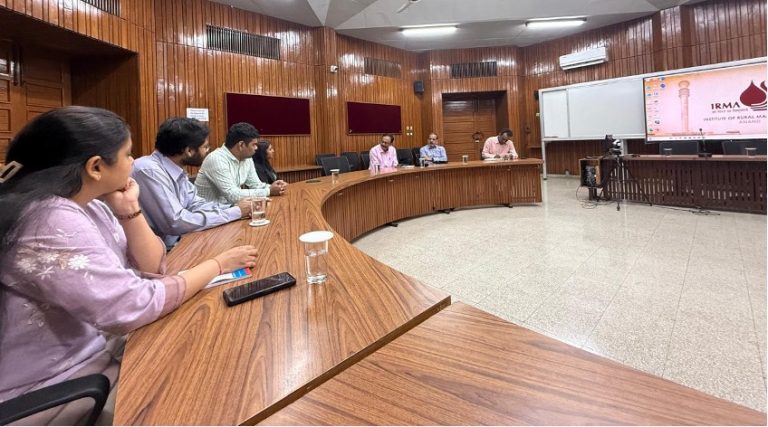
The final stop was TSU, where the team met faculty to discuss the evolving role of cooperatives. TSU aims to become a national hub for cooperative education and capacity building. Discussions focused on the need for better storytelling, updated legal frameworks, and potential ICA-AP–TSU collaborations in research and training.
The learning visit reaffirmed the transformative power of cooperatives and the importance of continuous learning and partnership in building a stronger cooperative future.