
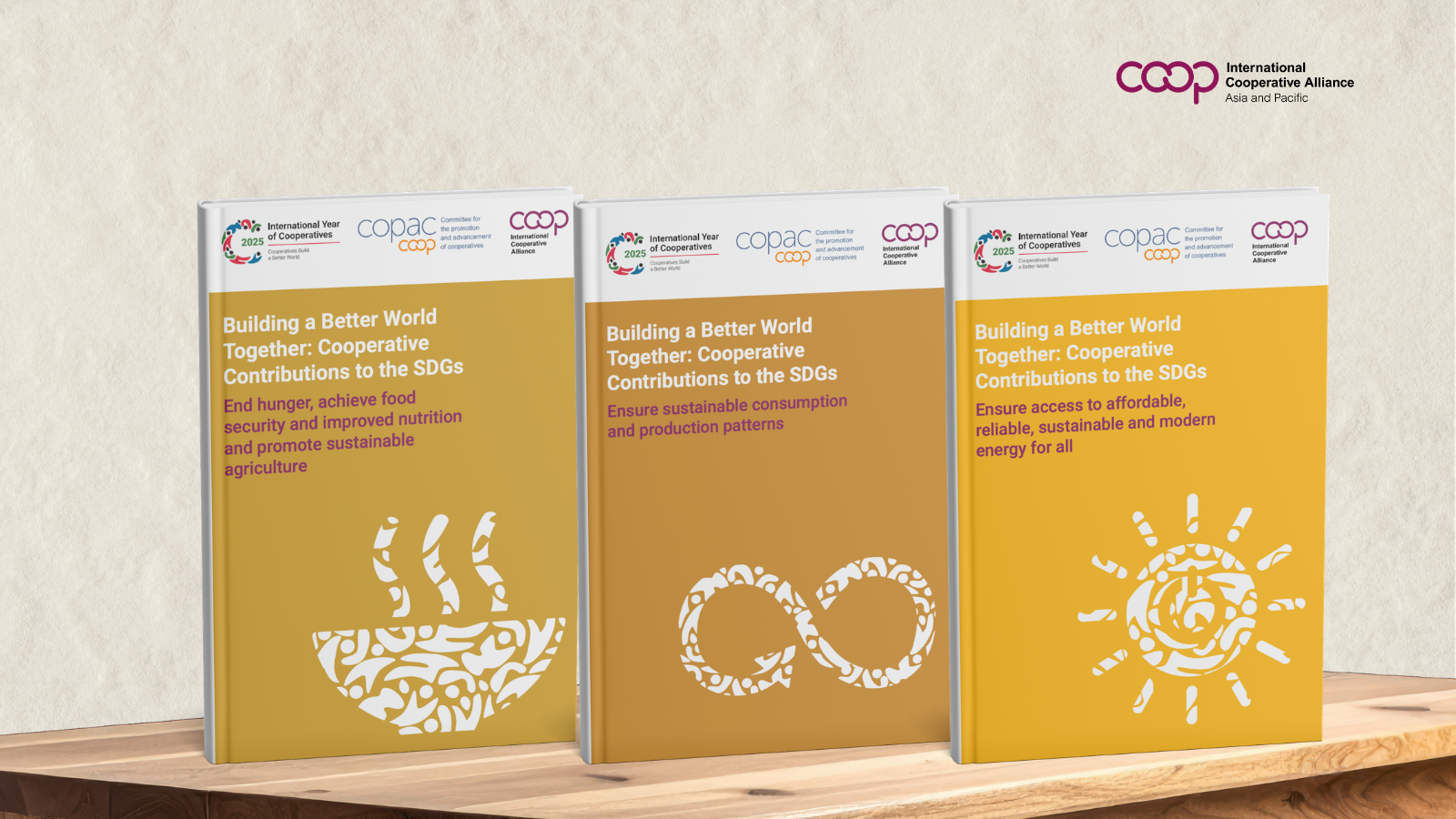
As part of the International Year of Cooperatives 2025 series, the Committee for the Promotion and Advancement of Cooperatives (COPAC) highlights how cooperatives are driving progress across key Sustainable Development Goals (SDGs), particularly SDG 2 on zero hunger, SDG 7 on clean energy, and SDG 12 on responsible consumption.
Across food systems, cooperatives play a critical role in strengthening the livelihoods of smallholder farmers by improving access to markets, finance, and shared infrastructure. By enabling collective purchasing, storage, and distribution, they help increase productivity and build more resilient and sustainable agricultural practices.
In the energy sector, cooperative models are emerging as powerful tools for expanding access to affordable and clean energy. With millions still lacking reliable electricity, community-owned energy systems are helping bridge gaps by prioritising affordability, local ownership, and renewable solutions.
Cooperatives also contribute to more sustainable production and consumption patterns by promoting ethical sourcing, reducing waste, and strengthening circular economy practices. Their member-driven approach ensures that economic activity remains aligned with social and environmental priorities.
Together, these efforts demonstrate the continued relevance of cooperatives as people-centred enterprises capable of advancing inclusive and sustainable development across sectors.
9, Aradhana Enclave, Sector 13,
Ramakrishna Puram, New Delhi - 110 066
Sign up for our latest news & articles. We won’t give you spam mails.
©️ 2026 International Cooperative Alliance – Asia and Pacific (ICA-AP). All rights reserved.
Powered by Opendrops