The Bridge Tân Phú Built for Everyone
INTERNATIONAL DAY OF COOPERATIVES 2026 | Cooperatives as Bridge-Builders | Regional Case Studies
For thirty years, the dispatcher’s most important tool at Tân Phú Cooperative was a telephone and a notebook. A driver would call in from the road, a truck would be sent, and somewhere in that exchange, small unfairnesses accumulated that nobody quite tracked: one driver always seemed to get the short, well-paying routes near town, another kept drawing the long hauls into the mountains for the same pay. Nobody was cheating anyone, exactly. There just wasn’t a record. And where there’s no record, suspicion fills the gap.
That is the quiet, unglamorous problem Tân Phú Automobile Transport Cooperative set out to solve, and it is also, if you look closely, the same problem every cooperative in Vietnam’s Thai Nguyen province has wrestled with for decades: how do you keep trust intact as an organization grows past the point where everyone can just talk to everyone else?
A Cooperative in Five Businesses at Once
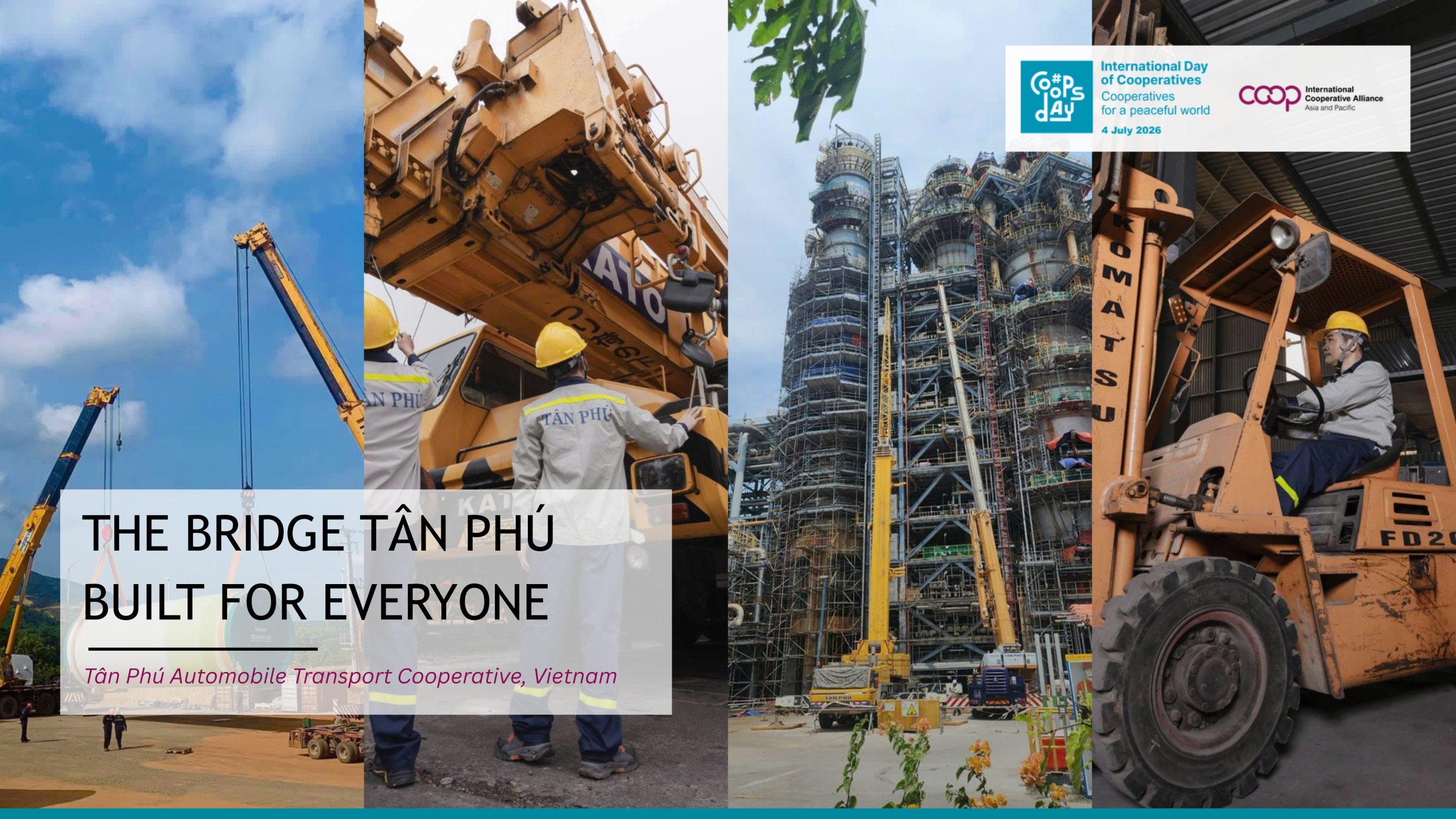
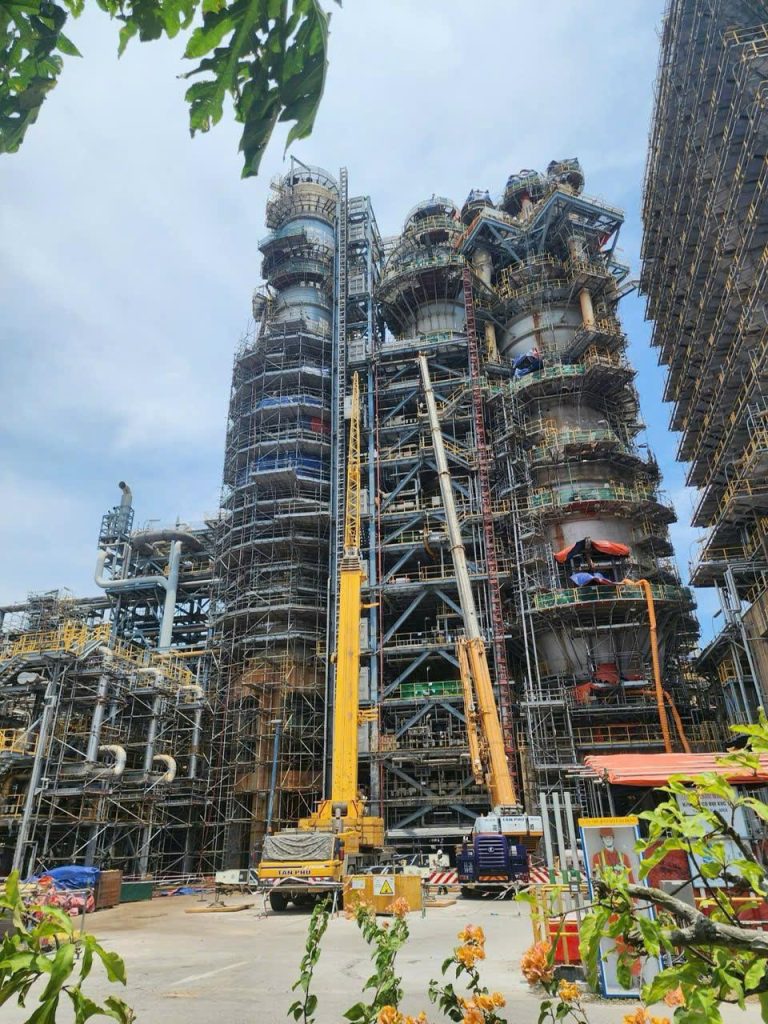
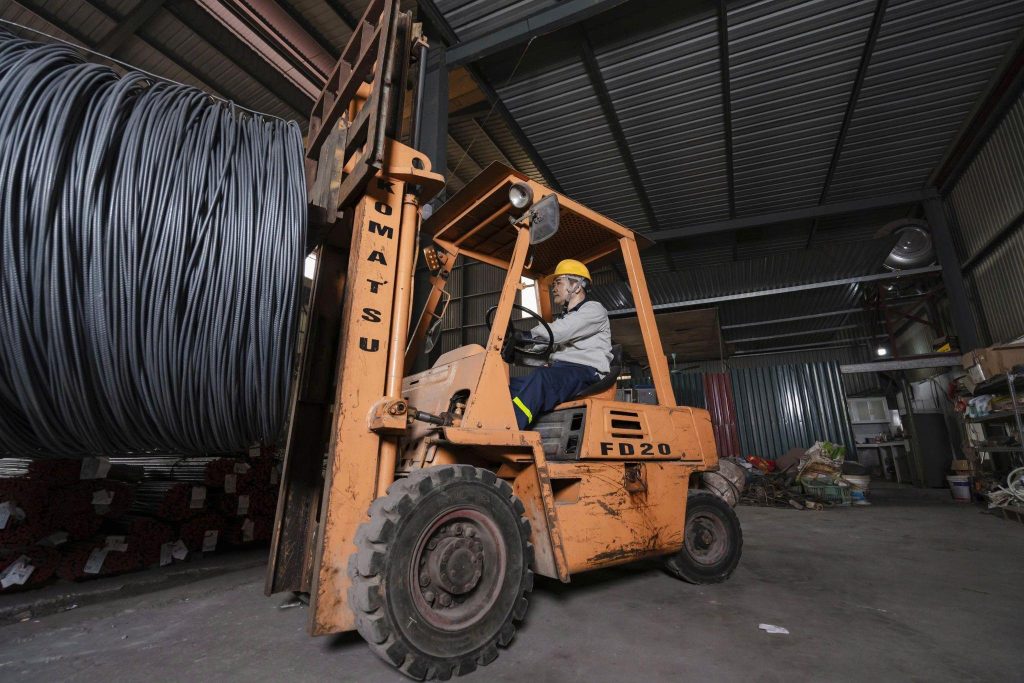
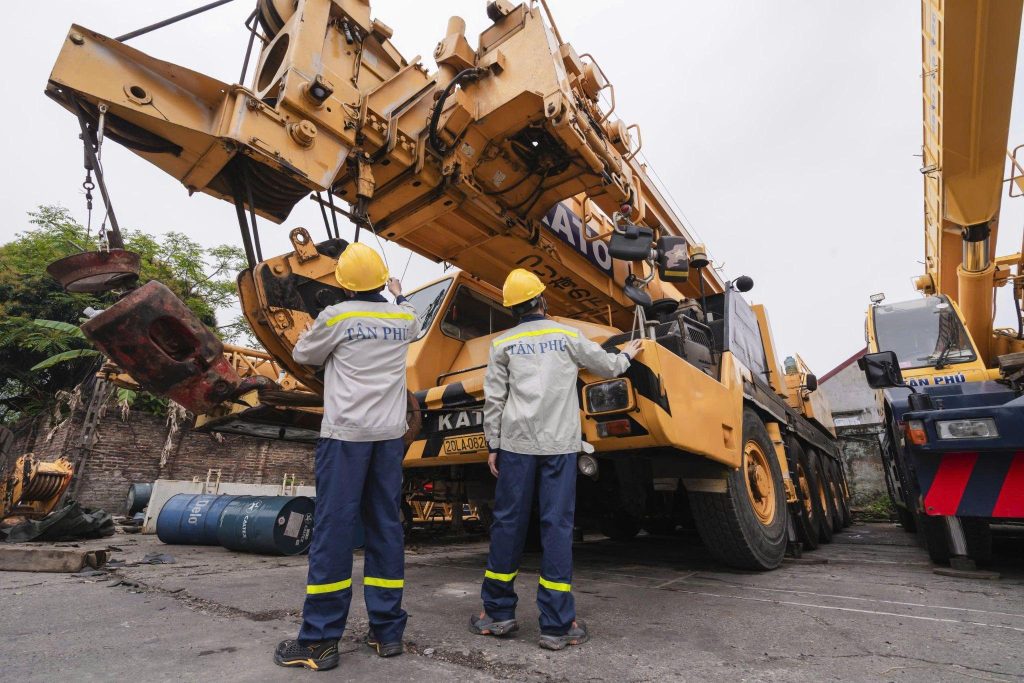
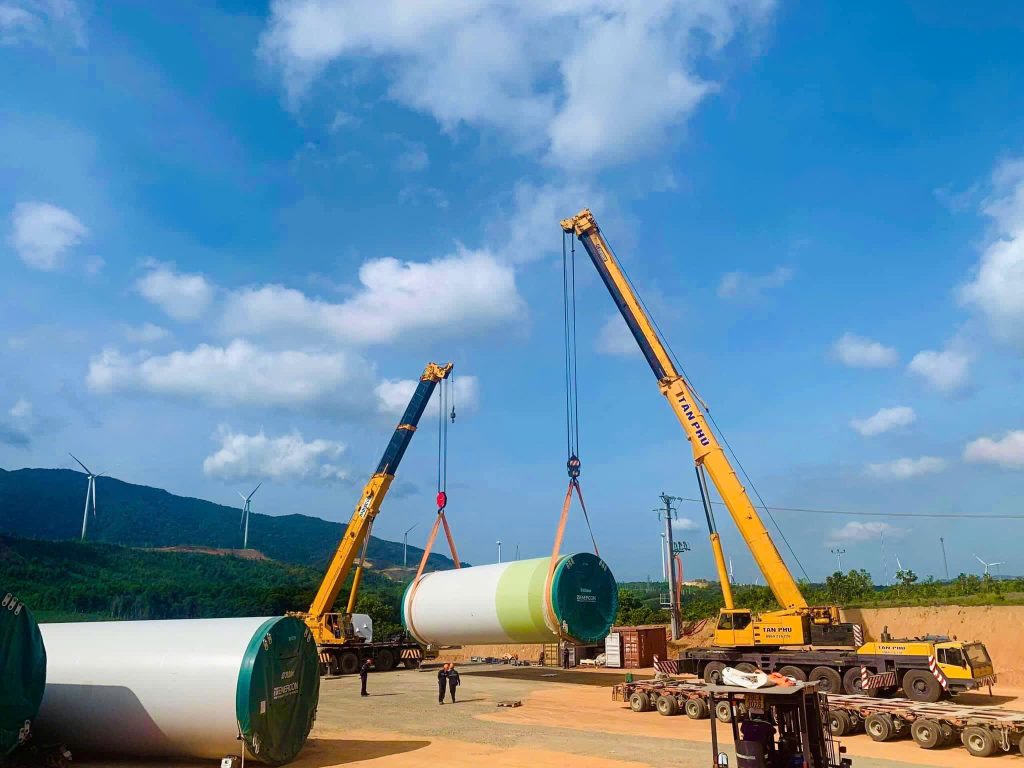
Tân Phú doesn’t fit the usual image of a cooperative. It isn’t farmers pooling grain or fishers sharing a boat. It’s trucks, cranes, hotel rooms, airline tickets, and steel, five entirely different businesses, run by one member-owned organization in a midland province better known for industry than agriculture. A fleet of trucks moves freight nationwide. Nine cranes install heavy equipment at construction sites. Two hotels host weddings and business travelers. A ticketing desk sells seats on more than eighty airlines. And a steel-trading arm supplies one of the country’s largest construction markets.
Thirty years ago, none of this needed a computer. A small transport group with a handful of trucks could run on memory and goodwill. But cooperatives, like people, eventually outgrow the version of themselves that worked when they were smaller. By the time Tân Phú was juggling five sectors and 150 employees, memory and goodwill were no longer enough. Five departments were effectively running on five separate islands of information, each with its own paperwork, its own habits, its own blind spots. The leadership could see any one part of the business clearly. They could not see the whole.
The Cracks Nobody Wanted to Talk About
Ask around and the specific failures come up almost sheepishly, because none of them sound dramatic on their own. Trucks and cranes were dispatched by phone, with no GPS, which meant vehicles often drove back empty after a delivery, burning fuel for nothing, while drivers quietly compared notes on who kept getting the better assignments. The hotels took bookings by hand, which meant double-booked rooms were a routine embarrassment, and the properties were essentially invisible to the international travelers who now expect to find a hotel on Booking.com or Agoda. The airline ticket desk, however good during office hours, simply switched off at night, losing customers to competitors who never slept. And holding it all together was, in effect, nothing: five sectors, five disconnected systems, and a leadership team making decisions on incomplete information.
None of these were crises. They were the kind of friction that organizations learn to live with, until, eventually, someone stops accepting that living with it is the only option.
The Decision Nobody Outsourced
What Tân Phú did next is the part of this story that tends to surprise people. Facing a problem that most companies would hand to an outside software vendor, a cooperative in a mountainous province with no history in technology decided to build the solution itself. Using open-source AI tools that had only recently matured enough to be usable by a small in-house team, Tan Phu’s own staff built an integrated digital management system from scratch, run on a physical server at their own headquarters rather than rented from a cloud provider somewhere else.
The reasoning was practical rather than ideological: building it themselves cost roughly a third of what an outsourced system would have, and kept the cooperative’s data, and its independence, entirely in its own hands. But there’s a detail worth sitting with. The decision to spend that money and take that risk wasn’t made by a manager issuing an order. It went to the Members’ Council, and it passed by consensus, one member, one vote, the same principle that has underpinned cooperatives since the model was invented. A vote about software ended up being a vote about whether the cooperative still believed in its own founding idea.
One Notification at a Time
What emerged from that vote isn’t flashy from the outside. It’s an automation layer that quietly threads through everything: a GPS system that tracks every truck and crane in real time and assigns jobs by algorithm rather than by whoever picked up the phone first; a hotel booking system that finally talks to Agoda and Booking.com instead of a paper ledger; a virtual assistant answering ticket queries at three in the morning; and, underneath all of it, a single dashboard that lets the leadership see, for the first time, all five businesses at once, in real time, instead of five separate stories that only made sense in isolation.
The effect that matters most isn’t the technology. It’s what the technology removed: guesswork, and the low hum of suspicion that guesswork breeds. A driver’s assignment is no longer a matter of who called first or who the dispatcher happened to like. It’s logged, visible, and the same for everyone. That single change, converting an informal, trust-me system into a transparent, check-it-yourself one, is doing more for morale on the ground than any bonus could.
What a Cooperative Owes the Cooperative Movement
There’s one more decision buried in this story that’s easy to miss, and arguably the most cooperative decision Tân Phú made. Having spent real money and effort building a system that gives them a competitive edge, the leadership chose to give it away, sharing the entire workflow, free of charge, with more than 22,000 cooperatives across Vietnam.
It’s a strange business decision if you think of Tân Phú as a company protecting an advantage. It’s an entirely unsurprising decision if you think of Tân Phú as a cooperative honouring the principle cooperatives have always claimed to believe in: cooperation among cooperatives, not just within one. A truck dispatcher’s software becomes, in that light, a small act of solidarity between a transport cooperative in Thai Nguyen and a fishing cooperative or a rice cooperative somewhere else in the country that could never have afforded to build the same thing alone.
Why a Fleet of Trucks Belongs in a Story About Bridges
It would be easy to file this away as a tidy case study in digital transformation and move on. That would miss what’s actually interesting about it. Every genuine bridge connects something that was previously separated, and Tân Phú’s system is doing that on more than one level at once: connecting drivers to fair, visible work assignments instead of whoever answered the phone; connecting older employees and women in accounting and reception roles to new digital tools instead of leaving them behind by automation; connecting a mid-sized cooperative in a mountain province to the same technological capability as companies many times its size; and connecting that cooperative, deliberately and at its own cost, to a national network of over 22,000 others it will likely never compete against but has chosen to help anyway.
None of those connections announce themselves as peace-building. They look, on the surface, like ordinary operational fixes: a GPS unit, a booking calendar, a chatbot. But peace at the scale most working people actually experience it isn’t a treaty signing. It’s the quiet absence of the small daily unfairnesses that erode trust between people who have to depend on each other, a driver believing his dispatch was fair, a receptionist believing the booking system won’t embarrass her in front of a guest, a woman in accounting believing the new software was built to help her do her job, not replace it.
What the Notebook Couldn’t Do
Thirty years ago, Tân Phú ran on a telephone, a notebook, and the kind of trust that’s only possible when an organization is small enough for everyone to know everyone. Somewhere along the way, it grew past the size where that kind of trust sustains itself automatically. Most organizations, faced with that gap, buy someone else’s software and call it modernization. Tan Phu built its own, put the decision to a vote, and then gave the result away to thousands of cooperatives who will never repay the favour directly.
That’s a strange kind of transaction if you’re only counting money. It makes complete sense if what you’re actually counting is trust, the currency every cooperative, whether it moves rice, fish, or freight, has always really been built on.