
The Harvest of Trust
The story of Mulkanoor Cooperative Rural Credit and Marketing Society
There is a particular kind of silence that settles over a village at harvest time before the money changes hands. It is not peaceful. It is the silence of arithmetic, of farmers doing sums in their heads about what the trader will offer this season, and whether it will be enough. In 1956, in a cluster of villages near what is now Hanumakonda in Telangana, that silence had a name: dependency. The trader set the price. The moneylender set the terms. The farmer simply waited to be told.
Mr. A.K. Vishwanatha Reddy decided the waiting should stop. Not through protest, and not through politics, but through a stranger and slower kind of rebellion: he asked 373 of his neighbours to put a little money into a shared box, ₹2,300 in total, and to trust that the box would be theirs, together, for good. What they built from that box had no dramatic name at the time. History would later file it under cooperative banking. But looked at closely, it was something more specific and more fragile: an early, unglamorous attempt at peace. Not the peace of treaties, but the peace that comes when a community stops depending on outsiders for its own survival.
What Trust Actually Looks Like Up Close
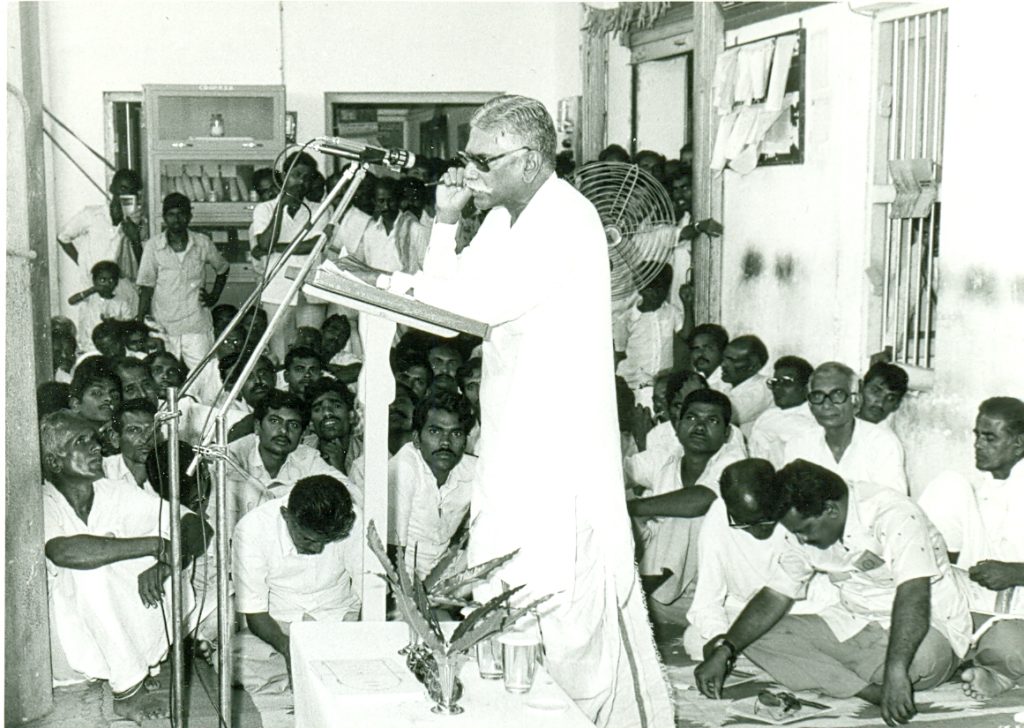
Seventy years on, the numbers are, admittedly, striking: the Mulkanoor Cooperative Rural Credit and Marketing Society now counts over 7,500 members, moves more than ₹400 crore a year, and has somehow kept its bad-loan rate at zero. But numbers explain very little about why an institution survives seventy years. They don’t explain why a farmer, given the choice, still walks past a private trader’s gate to bring his produce here instead.
The real answer is unglamorous and easy to miss if you’re looking for a headline. It’s the fact that a member here doesn’t experience the cooperative once a year, at an election, the way most people experience a distant institution. They experience it in fragments, all through the year: a decision about where to store this season’s grain, a rupee saved instead of spent, a bag of seed sent for certification rather than sold raw at the roadside. None of these choices makes news. All of them, added together over decades, are what democracy actually feels like when it’s working: not a ballot, but a habit.
Ask an old-timer here why he still trusts the place with his money, and the answer rarely invokes ideology. It sounds more like: my father did, and his father before that. That kind of trust cannot be marketed into existence. It has to be earned across generations, which is precisely why it’s rare, and precisely why it matters.
The Discipline Nobody Enforces
Here is a detail that tends to surprise people outside the cooperative world: Mulkanoor’s loan recovery rate sits near 100 percent, with zero non-performing assets, and almost none of it is collected by force. There is no fleet of recovery agents knocking on doors. Farmers simply come in and pay, on their own schedule, largely on their own initiative. In a country where rural credit and default are so often spoken of in the same breath, that fact alone should stop you. It isn’t the result of harsh terms or fear. It’s closer to the opposite: people repay because the institution holding their money has, for decades, been visibly, boringly transparent about what it does with it. When ownership is real rather than symbolic, repayment stops feeling like an obligation to a faceless bank and starts feeling like maintenance on something you personally built.
From the Field, Not Around It
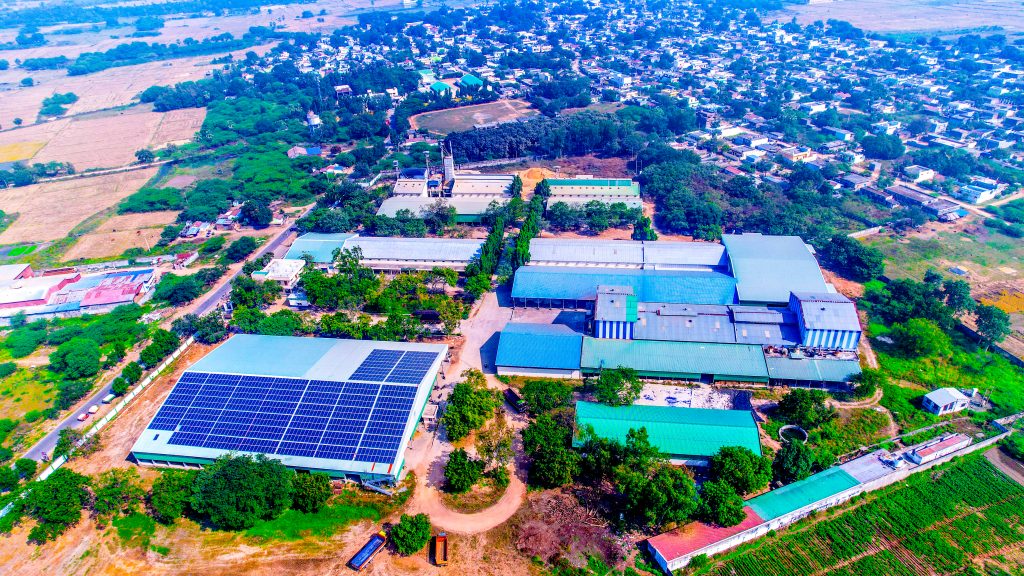
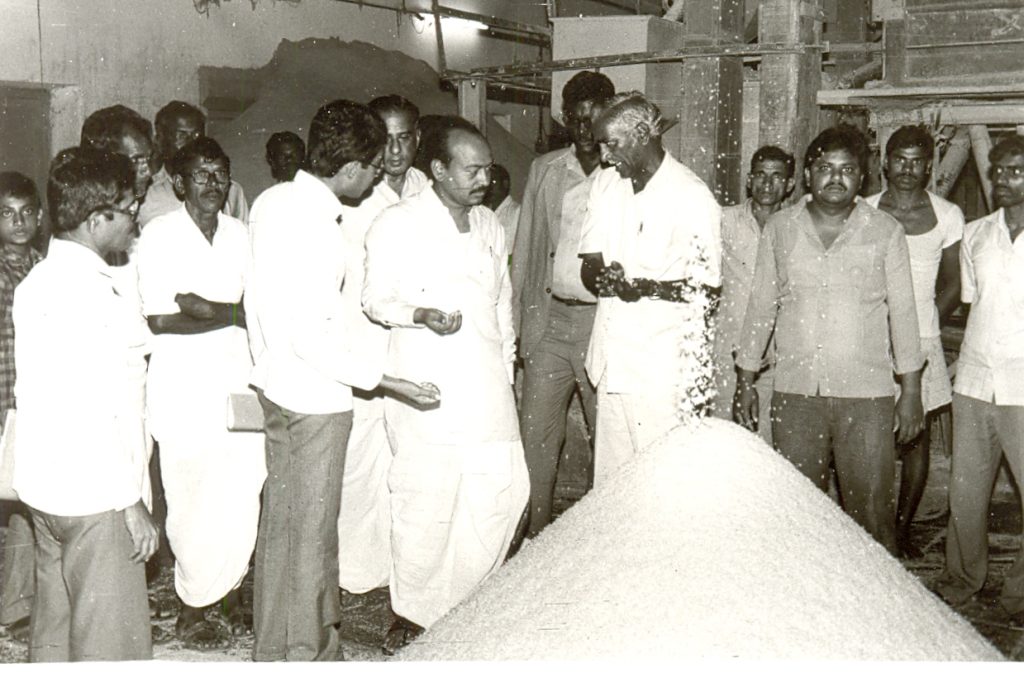
Somewhere in its middle decades, the Society stopped being only a credit union and became something closer to a full agricultural ecosystem: seed processing, rice milling, storage, branding, direct marketing. “Mulkanoor Rice” and “Mulkanoor Seeds” now travel to buyers hundreds of kilometres away who will never meet the people who grew what they’re eating.
The detail worth dwelling on is what didn’t happen in that expansion. Elsewhere, when a small agricultural producer scales up into processing and branding, the profit from that value addition tends to drift toward whoever owns the machinery, a corporation, a distributor, an intermediary several rungs removed from the soil. At Mulkanoor, the machinery is owned by the same people who grew the crop. The farmer who brought in the paddy is, in a very literal sense, also a shareholder in the mill that turned it into rice.
Where the Surplus Actually Goes
Every year, when the accounts are settled, a portion of what the cooperative earns doesn’t stay in the cooperative. It goes back out, as a bonus on paddy and cotton, as scholarships for members’ children, as a modest monthly pension for elderly members, as free cataract surgeries for those who need them. None of these figures would make a business headline on their own. Together, they describe something quietly radical: an institution that treats its own success as something to circulate rather than something to hoard.
It is, if you want the sociological term for it, a small, self-renewing peace dividend, wealth that stays inside the community that created it, instead of leaking out toward shareholders who never touched the soil. That kind of internal circulation is precisely the mechanism by which trust compounds across generations rather than eroding.
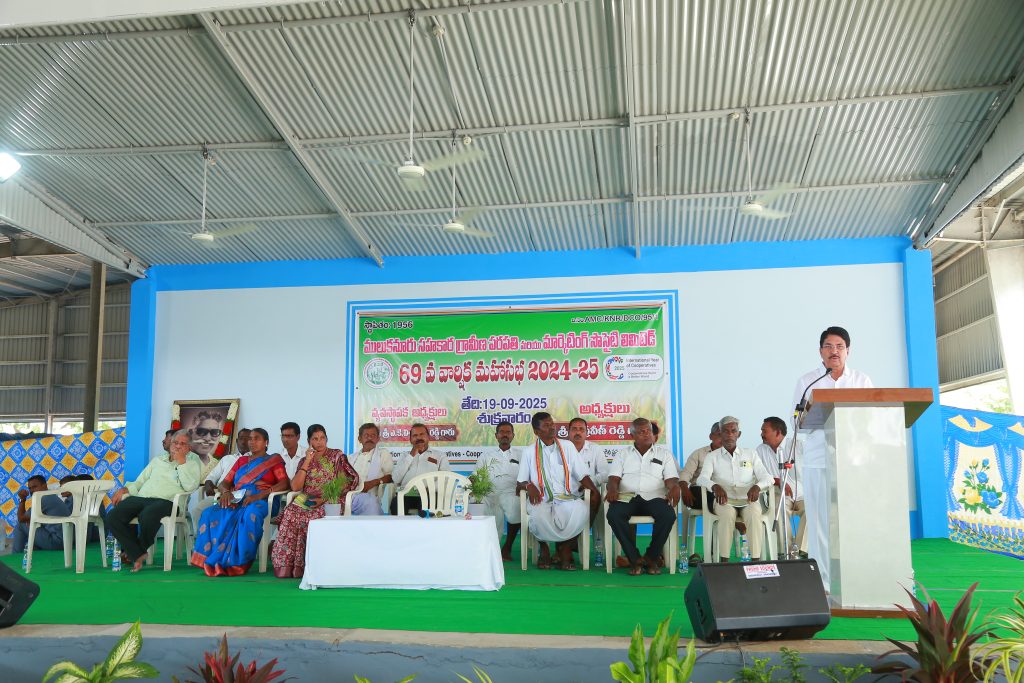
Why a Rice Mill Belongs in a Peace Campaign
It would be easy to read all of this as a well-run rural business story and move on. That would miss the point of telling it during CoopsDay week. Peace, at the scale most people actually live it, rarely arrives as a treaty or a headline. It arrives as the absence of a specific kind of daily anxiety: will I be paid fairly, will my community still be here after this season, will my children inherit something worth keeping. A cooperative that quietly removes that anxiety, season after season, generation after generation, is doing peacebuilding work, even if no one on-site would use that phrase.
That is the throughline connecting Mulkanoor to this year’s theme, “Cooperatives for a Peaceful World.” Not because the Society issues statements about peace, but because its entire structure, shared ownership, transparent accounting, surplus that circulates instead of drains away, is a working model of how communities stop competing against each other for scraps and start building something durable together. It is a bridge, in the most literal sense: something built to be crossed by more than one generation.
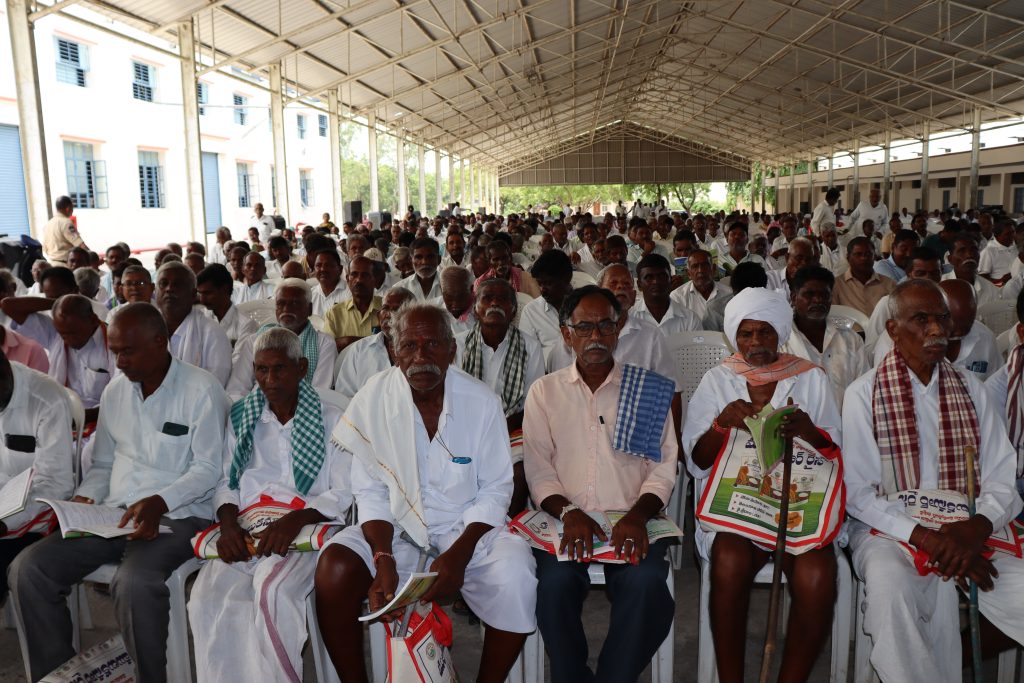
The Ledger That Actually Matters
If you ask what Mulkanoor’s most important asset is, the honest answer isn’t the ₹400 crore turnover or the rice mills or even the zero-NPA record. It’s the fact that third- and fourth-generation members are joining today, grandchildren and great-grandchildren of the original 373 farmers, choosing to put their trust in the same institution their family helped build from nothing seven decades ago.
That is not something you can engineer with a good marketing campaign or a strong balance sheet. It has to be built the slow way, one repaid loan, one honest season, one shared bonus at a time, until trust becomes something closer to inheritance. Mulkanoor didn’t set out to prove a theory about peaceful development. It simply kept its promises to its own people for seventy years running. Everything else, the branding, the recognition, the case studies, is just what happens when a community’s bet on itself finally pays off.