Harvesting Hope: Palestinian Cooperatives Stand Strong in Times of Crisis
INTERNATIONAL DAY OF COOPERATIVES 2026 | Cooperatives as Bridge-Builders | Member’s Voices
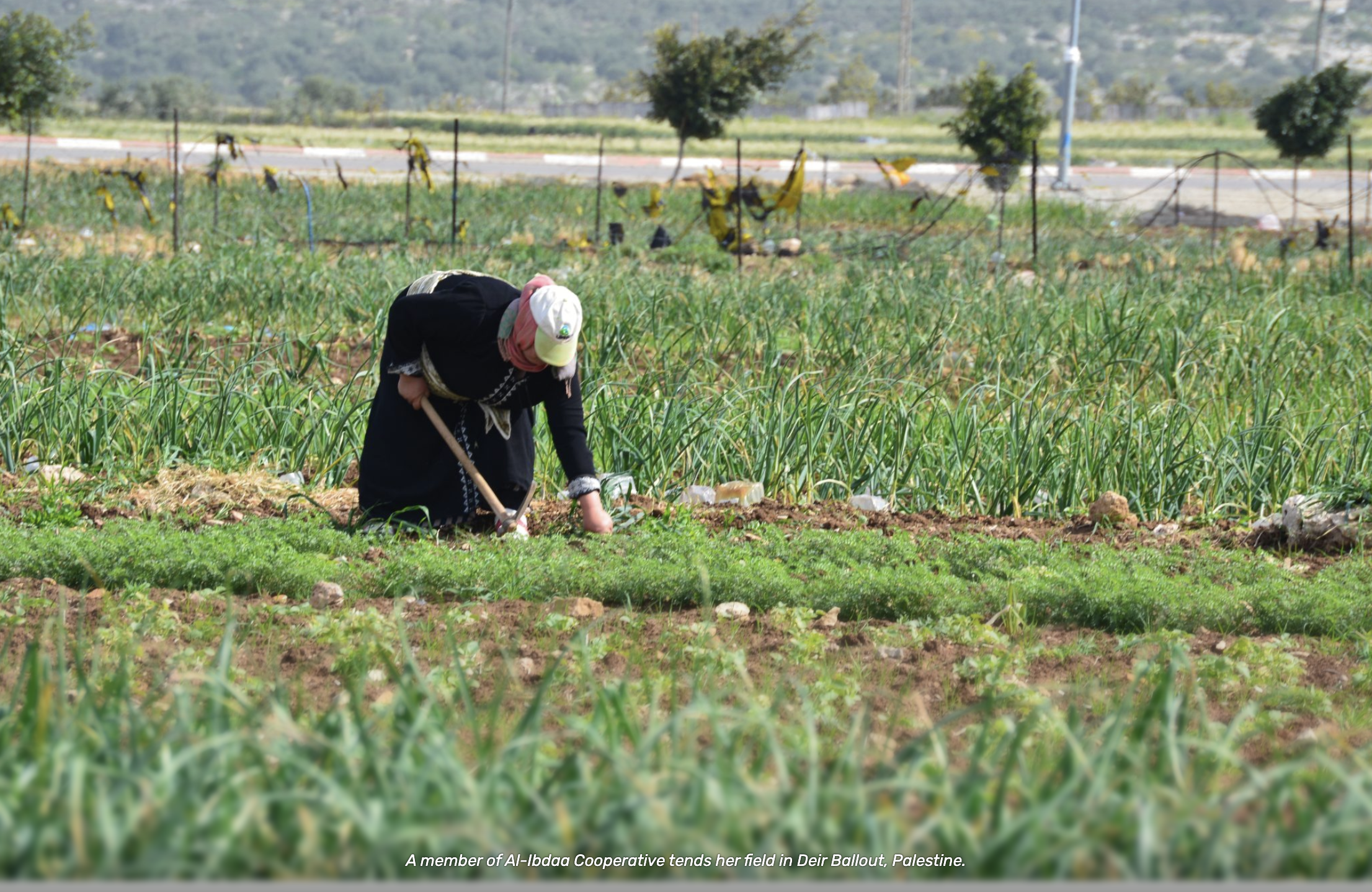
Al-Ibdaa Cooperative, Deir Ballout
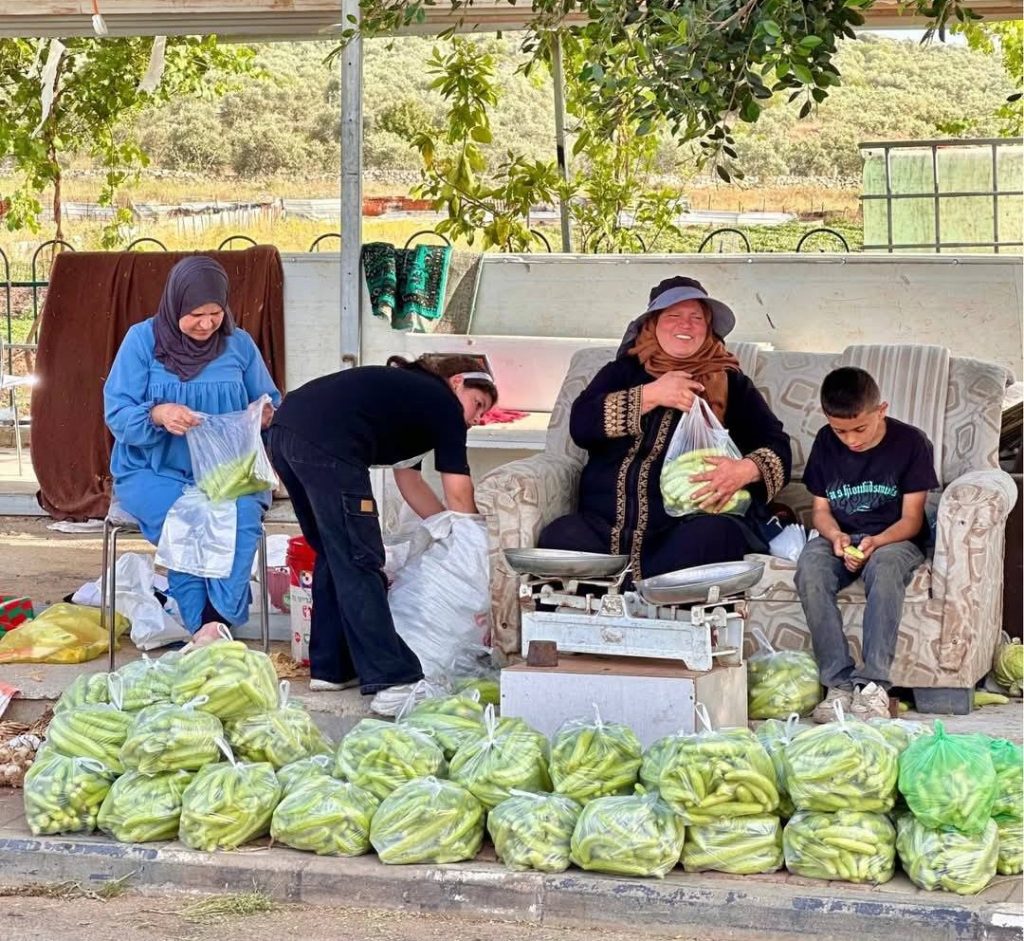
In the village of Deir Ballout in the occupied West Bank, members of the Al-Ibdaa Cooperative continue to work their land despite mounting restrictions on movement, access to water, and rising settler violence in Area C. Their daily labour in the fields, and the produce they bring to market and share with their neighbours, is a quiet but powerful expression of what cooperation means under pressure: communities holding on to their livelihoods, and to one another, one harvest at a time.
Members’ Voices: Economic and Social Development Center of Palestine (ESDC)
1. Could you start by telling us a little about your cooperative and the community it serves? How has the current situation in Palestine shaped the context in which you work?
The Economic and Social Development Center of Palestine (ESDC) is a Palestinian non-governmental organization dedicated to strengthening the cooperative movement and promoting sustainable rural development. ESDC works closely with agricultural, women’s, consumer, and other cooperatives across Palestine by providing institutional development, legal support, capacity building, technical assistance, production inputs, and opportunities for knowledge exchange.
The current situation in Palestine has significantly affected the environment in which we operate. Rural communities, where most cooperatives are located, face growing economic hardship, movement restrictions, loss of livelihoods, and increasing uncertainty. These challenges have reinforced the importance of solidarity and collective action. As a result, ESDC has intensified its efforts to ensure that cooperatives continue serving their members while strengthening community resilience through both humanitarian and long-term development interventions.
2. In what ways has the current situation affected the lives of your members, their families, work, daily routines, or their sense of community? Could you share any stories or moments that tell us what your community has been going through?
Palestinian society, particularly rural communities where most agricultural and productive cooperatives are located, has been deeply affected by the current situation. Many of these communities are situated in Area C of the West Bank, which, under the Oslo Accords, remains under Israeli security and administrative control. Over the years, these areas have experienced repeated attacks by settlers, including assaults on residents, damage to homes and agricultural facilities, destruction of crops, and vandalism of property belonging to cooperative members.
In some communities, families have been forced to leave their homes, farms, and grazing lands, while many have lost access to their agricultural holdings and essential natural resources, particularly water. These circumstances have severely disrupted agricultural production and undermined the livelihoods of farming families.
As a result, hundreds of cooperative members and small-scale farmers are now facing extreme economic hardship. The loss of income, productive assets, and access to land has pushed many families into poverty and debt, leaving them with very limited means to sustain their livelihoods and support their communities.
3. Despite these extraordinary circumstances, cooperatives in Palestine have continued to operate. How has ESDC or your member cooperatives responded to the crisis? What specific services, initiatives, or forms of support have you been able to provide to members and the wider community?
Since the beginning of the current crisis, ESDC has worked to respond to urgent humanitarian needs while maintaining its long-term commitment to sustainable development.
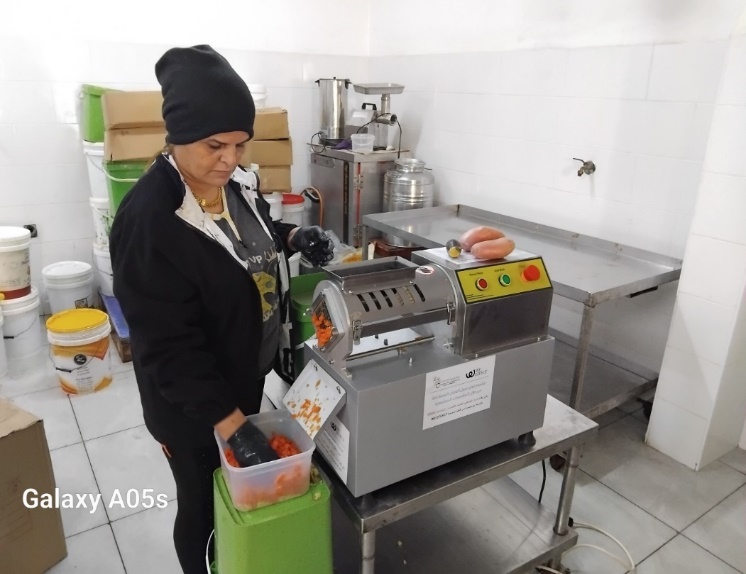
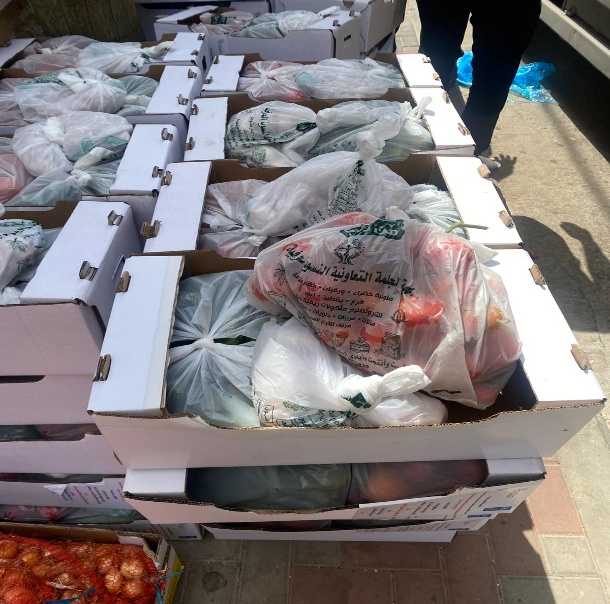
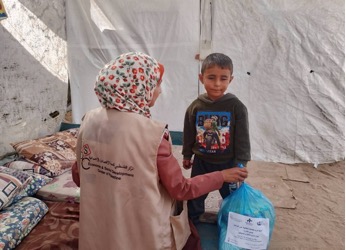
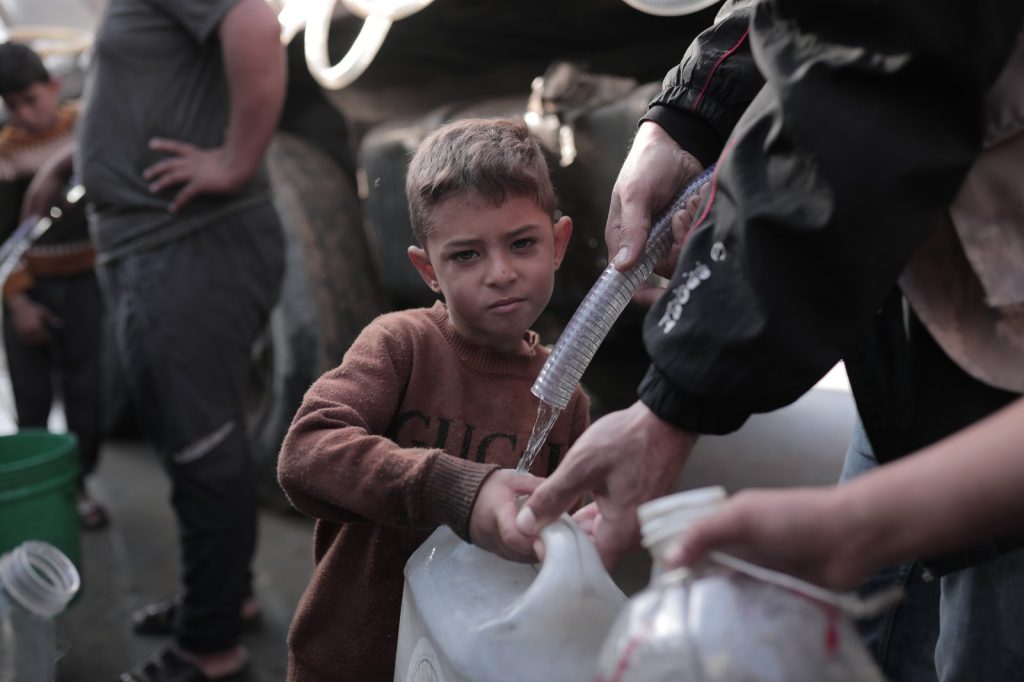
Our interventions have included distributing food assistance, drinking water, hygiene kits, dignity kits for women and girls, essential household items, and sanitation support to thousands of vulnerable and displaced families in both the West Bank and Gaza. At the same time, ESDC continued supporting cooperatives through livelihood recovery initiatives, provision of agricultural inputs, rehabilitation of productive assets, and technical assistance to help them sustain their economic activities.
Cooperatives themselves played an essential role in these efforts by helping identify vulnerable households, organizing community distribution, and mobilizing volunteers. This demonstrated how cooperatives can effectively combine economic activity with community service and social solidarity.
4. It is heartening to know that ESDC has continued providing these services. Have there been particular relationships, partnerships, or forms of support, whether local or international, that have helped you maintain your work and keep your cooperative running?
Strong partnerships have been essential to sustaining our work. ESDC has long-standing cooperation with national institutions as well as international organisations, including We Effect, Oxfam, UNDP, We World and several other development and humanitarian partners.
These partnerships have enabled us to implement emergency response initiatives alongside long-term development programs, reaching around 300,000 people through humanitarian assistance while continuing investments in cooperative development, climate resilience, agricultural infrastructure, water management, and rural economic empowerment.
The trust built with our partners over many years has been a key factor in maintaining continuity despite extremely challenging conditions.
5. Cooperatives are often described as spaces of trust and mutual support. Has that been your experience, particularly during this period? In what ways has your cooperative strengthened the bonds within your community?
Throughout this difficult period, cooperatives have demonstrated that they are much more than economic enterprises. They have become trusted community institutions where members support one another, share resources, exchange knowledge, and respond collectively to local needs.
For ESDC, one of the highest priorities has been ensuring that cooperatives remain active and capable of supporting both their members and the wider communities they serve. By strengthening local cooperation and encouraging collective action, cooperatives have reinforced social cohesion and created a sense of hope during a period marked by uncertainty.
6. This year’s theme for the International Day of Cooperatives is “Cooperatives for a Peaceful World.” What does that mean to you? What role do you believe the cooperatives can play in building the conditions for a just and lasting peace?
For ESDC, a peaceful world is one where people enjoy dignity, equal opportunities, social justice, and the ability to build sustainable livelihoods. Cooperatives contribute to these conditions by promoting democratic participation, shared ownership, inclusion, and economic opportunity.
In Palestine, cooperatives strengthen local economies, empower women and young people, encourage dialogue and participation, and build resilience within communities. They help reduce inequalities and create opportunities for people to work together toward common goals.
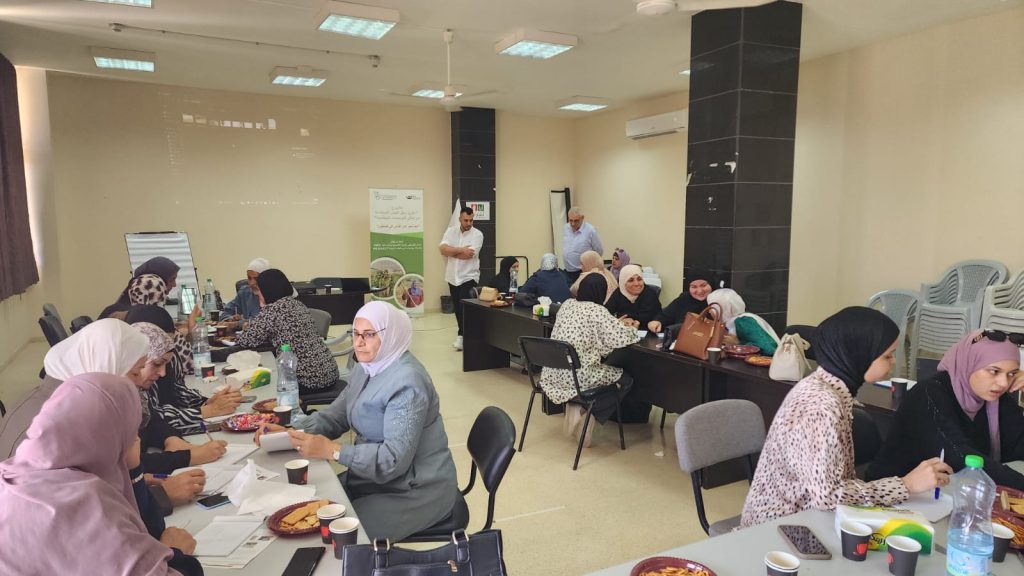
This year, ESDC organized a national cooperative dialogue to mark the International Day of Cooperatives, bringing together government institutions, cooperative unions, civil society organizations, researchers, and development partners. The objective was to develop practical recommendations for strengthening the cooperative movement and building a more resilient, inclusive, and sustainable cooperative sector that contributes to long-term social stability and development.
7. What would you like cooperatives around the world to understand about your experience? And what does meaningful solidarity from the global cooperative movement look like from your perspective?
We hope cooperatives around the world recognize that, even under extremely difficult circumstances, cooperation remains a powerful source of resilience, dignity, and hope.
Meaningful solidarity goes beyond expressions of support. It includes exchanging knowledge and experience, building institutional partnerships, investing in cooperative development, strengthening market opportunities, supporting innovation, and creating opportunities for mutual learning.
We also believe that global cooperation can help Palestinian cooperatives become more resilient by sharing successful experiences in digital transformation, climate-smart agriculture, youth engagement, women’s leadership, and the responsible use of emerging technologies such as artificial intelligence to improve productivity while preserving decent work opportunities.
When cooperatives stand together across borders, they strengthen not only individual organizations but also the global cooperative movement and its shared commitment to sustainable development, peace, and social justice.
ESDC on the Ground: Photo Gallery
A selection of images from ESDC’s ongoing work supporting Palestinian cooperatives and vulnerable communities.