
In Kampung Peruas, a Homestay Cooperative Showed What Tourism Looks Like When Communities Own It
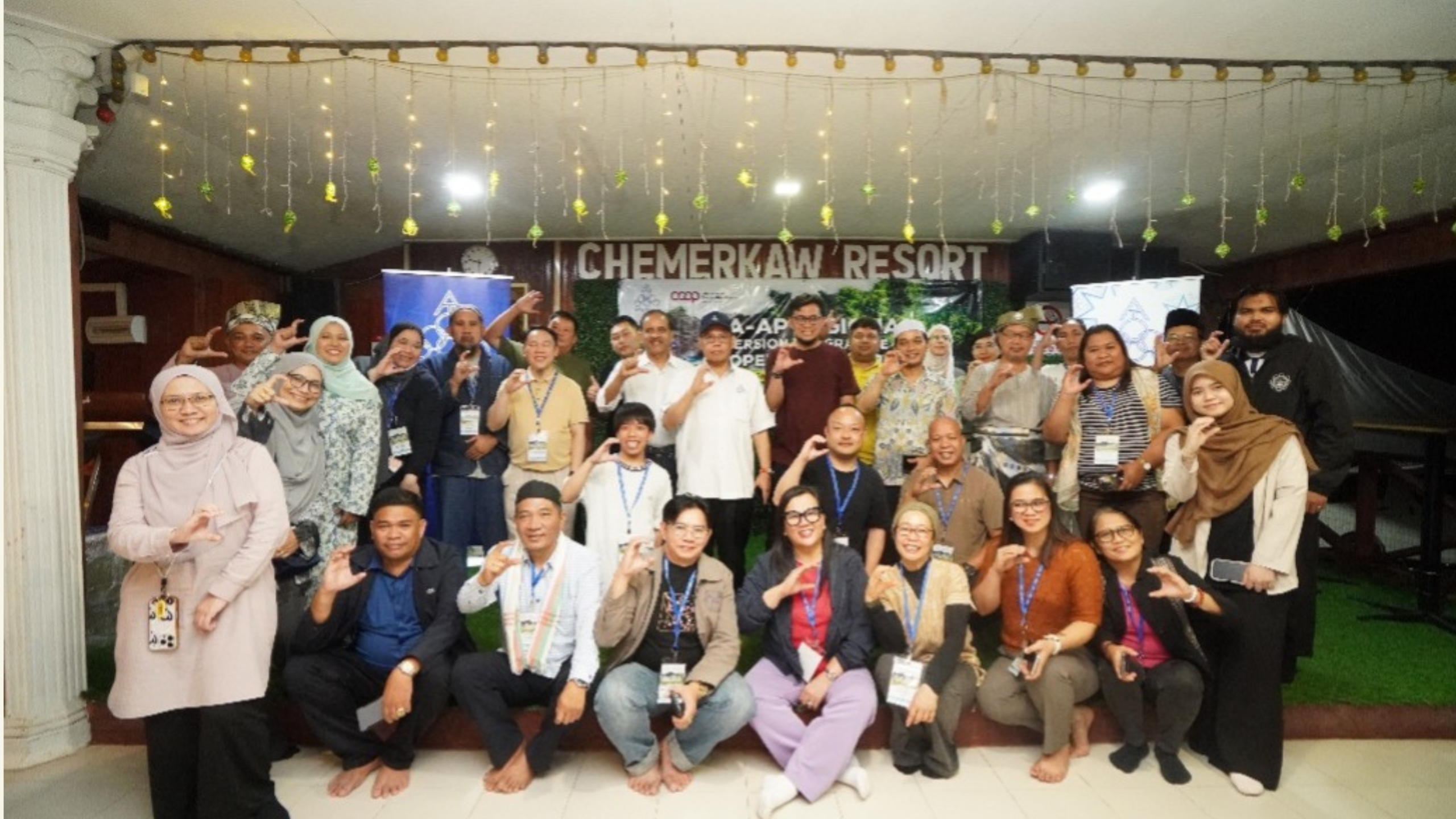
From 22 to 25 July, 23 participants representing 14 organisations from seven Asia-Pacific countries, Japan, Indonesia, India, Palestine, Cambodia, Vietnam and the Philippines, travelled to Kampung Peruas, Raub, Pahang, for the ICA-AP Regional Immersion Programme on Cooperative Tourism: “Coop Tourism – Unlocking Business Potential.” Jointly organised by ICA-AP’s Committee on Trade & Business and its Committee on Cooperatives in Educational Institutions (ICEI), the programme set out to prove that cooperative tourism is a genuine business model, not just a community activity on the side.
The experience was cooperative-run from the first welcome. Koperasi Homestay Kampung Peruas Raub Berhad (KOPERAD) opened with a traditional Silat performance and a spread of local delicacies, durian, cendol, roti jala and kuih seri muka, before ANGKASA President Datuk Seri Dr. Abdul Fattah Abdullah joined participants for a welcome dinner and a Tanjak demonstration on Pahang’s traditional headgear. Over the following days, delegates dressed in traditional Malay attire for a village morning walk, learned to identify local crops with KOPERAD hosts, and sat down to a traditional cooking demonstration of dishes like Sambal Kantan and Gulai Pucuk Paku, eaten Malay-style, seated on the floor. Traditional games, water activities and a cultural night rounded out the immersion, alongside an Awan Karpet trail walk and rubber-tapping demonstration connecting nature, livelihood and tourism.
A Knowledge Sharing Session on 24 July turned the experience into a working conversation. Ms. Munirah binti Mustapa of KOPERAD presented on building a sustainable community-based tourism model, followed by Dr. Fatimah binti Tahir of Koperasi Pantai Sepat Berhad on Malaysia’s wider cooperative tourism ecosystem. Delegates from all countries then shared their own countries’ experiences and opportunities, before Mr. Balasubramanian G. Iyer, Regional Director of ICA-AP, closed the session with a call for stronger regional collaboration. Dato’ Haji Kamarudin Ismail of ANGKASA and VIce-Chairperson of ICEI added that cooperative tourism gives cooperatives a genuine avenue to expand business, entrepreneurship and community economic participation.
An official dinner that evening, attended by Dato’ Amizar Abu Adam representing Pahang’s Chief Minister, underlined the same message from the state’s side: cooperative tourism can be a strategic platform for collaboration, not just a cultural showcase.
The programme closed on 25 July with a different model altogether — Koperasi Sekolah Menengah Kebangsaan Temin (KOSTEM), a school cooperative that runs its own tourism package around Taman Negara National Park. Participants took in the Canopy Walkway, jungle trekking, a visit to an Orang Asli village, and rapids on the Tembeling River, seeing first-hand how a student-run cooperative can turn hands-on hospitality experience into both revenue and real-world learning.
Delegates left with a shared takeaway: the pieces of cooperative tourism, homestays, education, food, nature, already exist across the region. The opportunity now is stitching them into ecosystems that keep the value inside the communities that create it.