
Who Owns the Algorithm? Why Cooperative AI Matters for Asia and the Pacific
Artificial intelligence is rapidly reshaping economies, institutions and the way people interact with technology. Yet as AI becomes part of everyday life, important questions are emerging: who owns these technologies, who governs them, whose interests they serve and how the benefits they generate are shared.
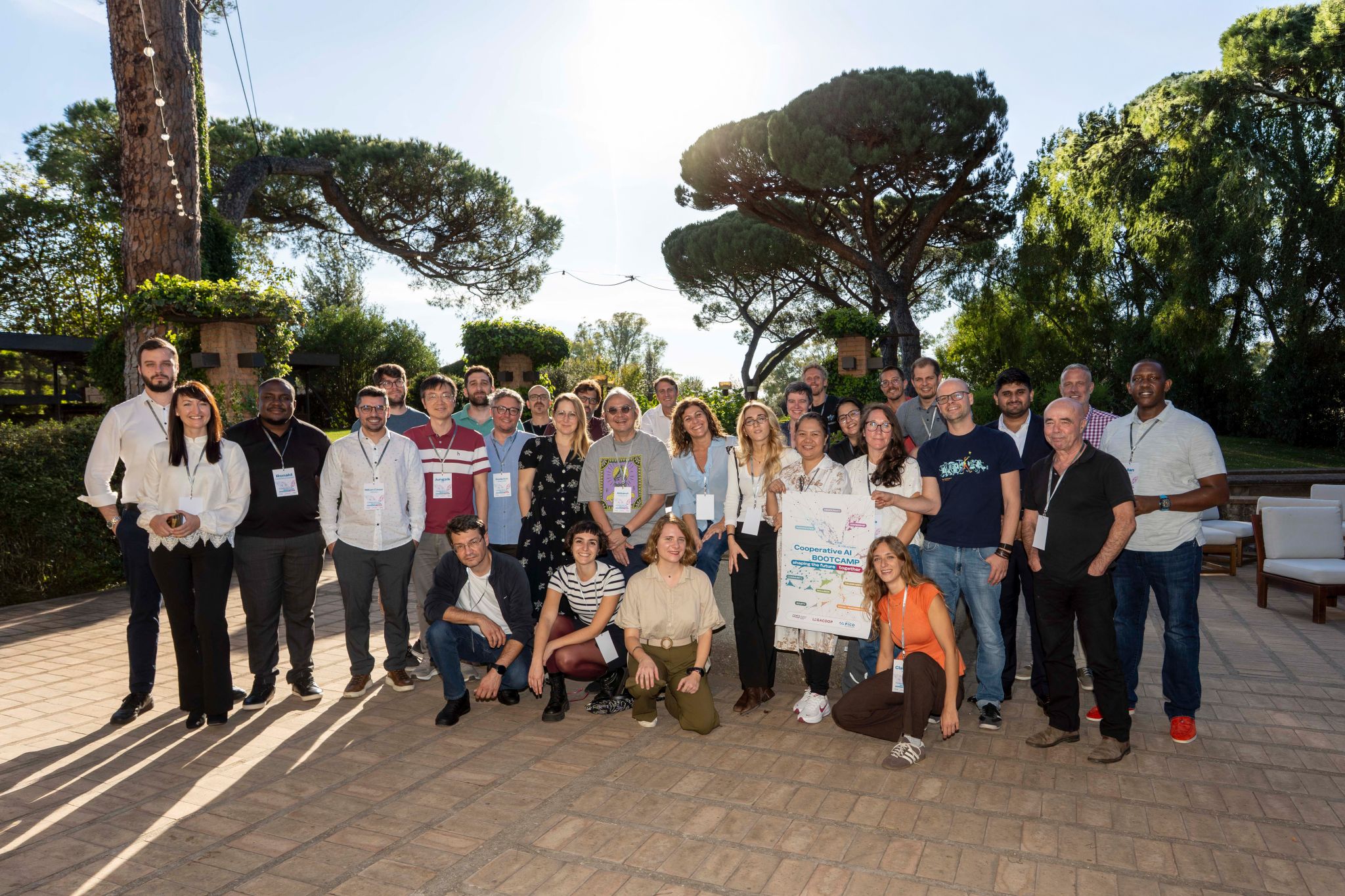
These questions formed the backdrop of the Cooperative AI Bootcamp, held from 12 to 15 October 2026 at Casali Santa Brigida, near Rome, Italy. Organized by Fondazione Pico and Legacoop Nazionale in cooperation with the International Cooperative Alliance, the bootcamp brought together cooperators and participants from diverse disciplines to explore how AI tools, systems and infrastructure could be built on cooperative principles and values. ICA-AP was represented by Mr. Ayushman Madhwal, Communications and Events Officer.
At its heart, Cooperative AI challenges the conventional approach to developing and deploying artificial intelligence. Rather than treating AI merely as a commercial product controlled by a handful of dominant players, it asks whether systems can be collectively developed, owned and governed, with people and communities at the center.
Through interactive sessions, facilitated discussions and explanatory presentations, participants examined both the conceptual foundations and the practical possibilities of this emerging approach. A recurring point was the need to move beyond simply using AI tools toward rethinking how they are created, governed and made accessible, raising questions of democratic participation, collective ownership, transparency, accountability and the fair distribution of technological benefits.
For the cooperative movement, these discussions carry particular weight. Cooperatives have a long tradition of putting people before capital, encouraging democratic participation and ensuring that economic activity responds to the needs of members and communities. Applying these values to artificial intelligence could allow the movement to take part in the digital economy not merely as a user of technology, but as a developer, owner and decision-maker.
The bootcamp brought different perspectives into one room and began to build a shared understanding of what Cooperative AI could look like, while underlining the importance of connecting technological innovation with the institutional values and democratic practices that distinguish cooperatives. For Asia and the Pacific, home to some of the world’s most diverse and far-reaching cooperative movements, the questions raised in Rome are not abstract. Cooperatives across the region already serve farmers, workers, consumers, women and youth, and are increasingly encountering AI in credit, retail, agriculture and member services. The opportunity now is to shape how these technologies are adopted, so that data, tools and decisions stay accountable to the members they affect. ICA-AP looks to carry the conversation back to its members and committees, to share what was learned in Rome, and to explore how cooperatives in the region can learn from one another, and build together, as AI becomes part of cooperative enterprise.